Comprehensive Solutions for Pest Removal

Pests can be more than just a nuisance; they can cause damage to your property and pose health risks. Whether you are dealing with ants, rodents, termites, or other unwanted invaders, finding the right approach to pest removal is essential. This article explores comprehensive and effective pest removal solutions that can help you regain control of your home or business environment.
Understanding Effective Pest Removal Solutions
Effective pest removal solutions involve a combination of prevention, identification, and treatment strategies. The goal is not only to eliminate the current infestation but also to prevent future problems. Here are some key components:
Inspection and Identification: Knowing the type of pest is crucial. Different pests require different treatments.
Sanitation and Prevention: Keeping your space clean and sealing entry points can reduce the chances of pests returning.
Treatment Options: These include chemical treatments, traps, baits, and natural remedies.
Follow-up and Monitoring: Regular checks ensure that pests do not come back.
For example, if you have a termite problem, professional inspection and treatment are necessary because termites can cause structural damage. On the other hand, ants might be controlled with bait stations and sealing cracks.

Termite damage can compromise the structural integrity of buildings.
Common Pest Removal Techniques and Their Applications
There are several pest removal techniques, each suited to different types of pests and situations. Understanding these methods can help you choose the best solution.
Chemical Treatments
Chemical pesticides are widely used for their effectiveness. They can be applied as sprays, dust, or baits. However, it is important to use them responsibly to avoid health risks and environmental damage.
Use targeted pesticides for specific pests.
Follow label instructions carefully.
Consider professional application for severe infestations.
Traps and Baits
Traps and baits are non-chemical options that can be very effective, especially for rodents and insects like ants and cockroaches.
Snap traps and glue boards for rodents.
Bait stations for ants and cockroaches.
Regularly check and replace traps.
Natural and Organic Solutions
For those who prefer eco-friendly options, natural remedies can be effective for minor infestations.
Diatomaceous earth for insects.
Essential oils like peppermint or tea tree oil.
Beneficial insects such as ladybugs for garden pests.
Integrated Pest Management (IPM)
IPM combines multiple methods to manage pests in an environmentally and economically sustainable way. It emphasizes prevention, monitoring, and control with minimal use of chemicals.

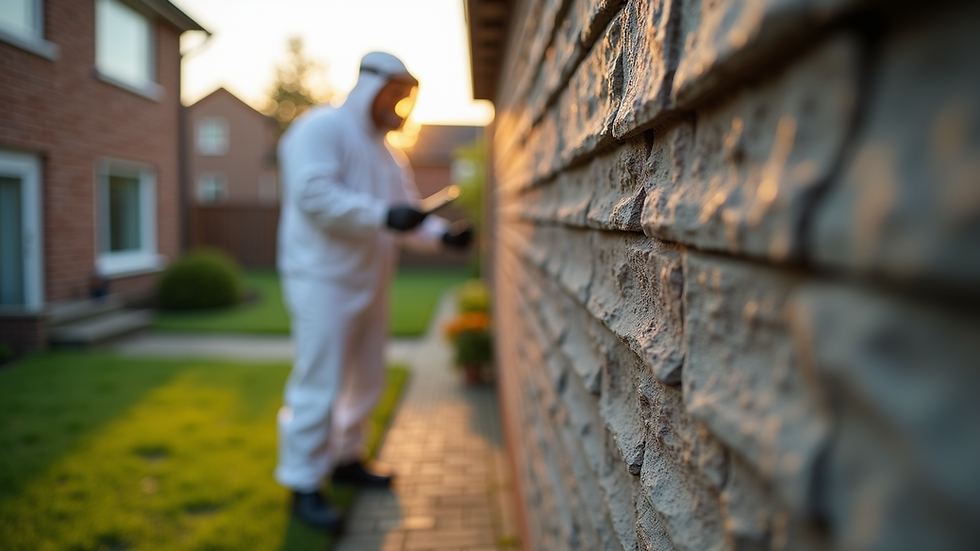
Professional inspection is a key step in integrated pest management.
How Much Does It Cost to Have Pest Control Out?
The cost of pest control varies depending on several factors:
Type of Pest: Some pests require more complex treatments.
Extent of Infestation: Larger infestations cost more to treat.
Treatment Method: Chemical treatments, traps, or natural solutions have different price points.
Frequency of Service: One-time treatments are cheaper than ongoing maintenance.
On average, a basic pest control service can range from $100 to $300 per visit. Termite treatments or rodent control may cost more due to the complexity involved. It is advisable to get a detailed quote from a reputable provider.
For reliable and professional assistance, consider contacting a trusted pest control service that offers transparent pricing and customized solutions.
DIY Pest Removal Tips and When to Call Professionals
Many minor pest problems can be handled with do-it-yourself methods. Here are some practical tips:
Seal Entry Points: Use caulk or weather stripping to close gaps around doors and windows.
Maintain Cleanliness: Remove food crumbs, standing water, and clutter.
Use Traps and Baits: Place them strategically in areas where pests are active.
Natural Repellents: Use essential oils or vinegar sprays.
However, if the infestation is severe or involves dangerous pests like termites or venomous spiders, it is best to call professionals. They have the expertise, equipment, and safe chemicals to handle complex situations effectively.
Long-Term Strategies for Pest Prevention
Preventing pests from returning is as important as removing them. Here are some long-term strategies:
Regular Inspections: Schedule periodic checks to catch problems early.
Proper Waste Management: Keep garbage sealed and dispose of it regularly.
Landscaping Maintenance: Trim bushes and trees away from the building.
Moisture Control: Fix leaks and ensure proper drainage to reduce pest-friendly environments.
By implementing these strategies, you can create a less inviting environment for pests and protect your property over time.
Effective pest removal requires a thoughtful approach combining immediate action and long-term prevention. Whether you choose to tackle the problem yourself or seek professional help, understanding the options available will empower you to make the best decisions for your situation.


Comments